What Is a Phishing Link? How to Spot, Check, and Recover From One
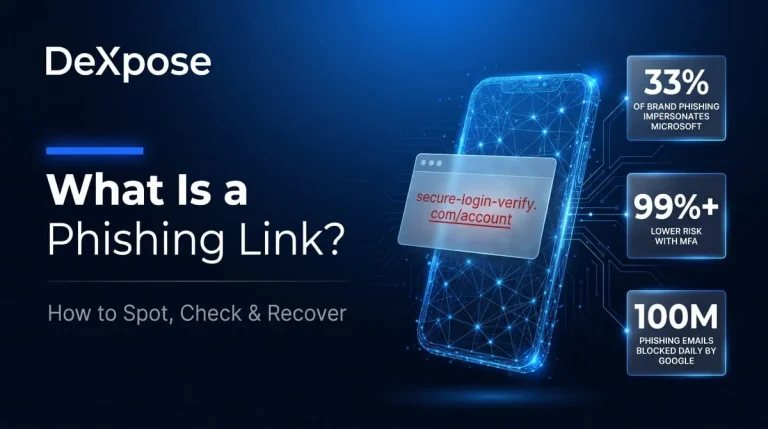
A phishing link is a URL designed to look legitimate, often mimicking a bank, retailer, or well-known app, but built to steal your credentials, install malware,…
Read more
A phishing link is a URL designed to look legitimate, often mimicking a bank, retailer, or well-known app, but built to steal your credentials, install malware,…
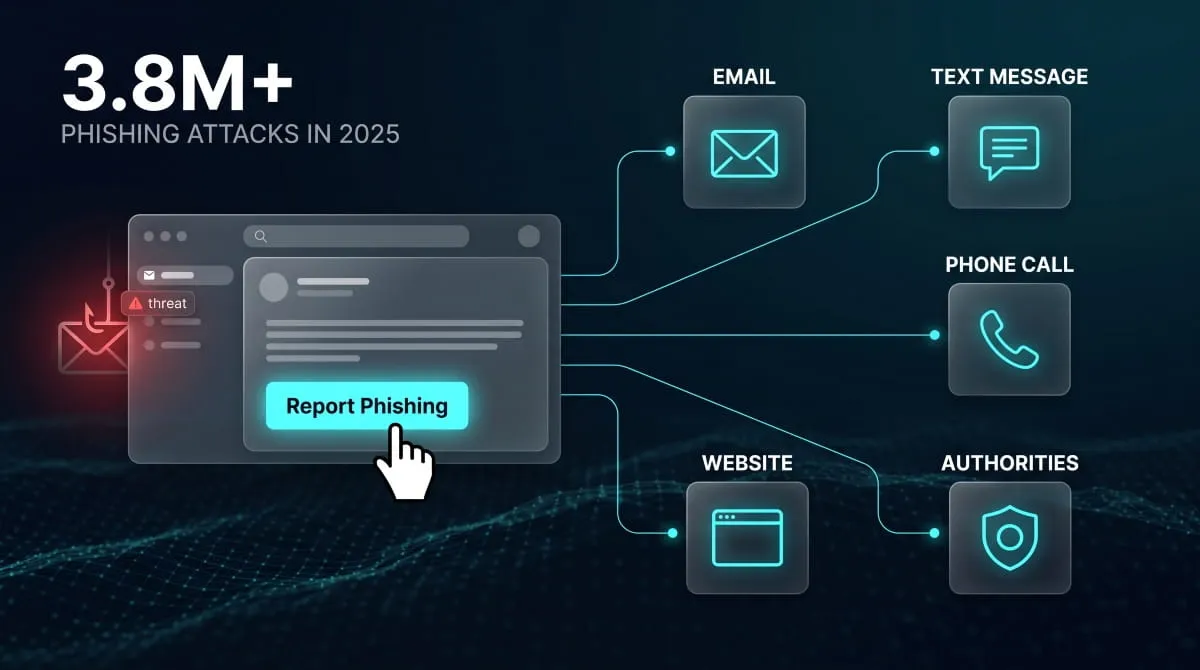
Read moreTo report phishing, use the built-in “Report Phishing” or “Report Spam” button in your email client, forward suspicious text messages to 7726 (SPAM), and flag suspicious…
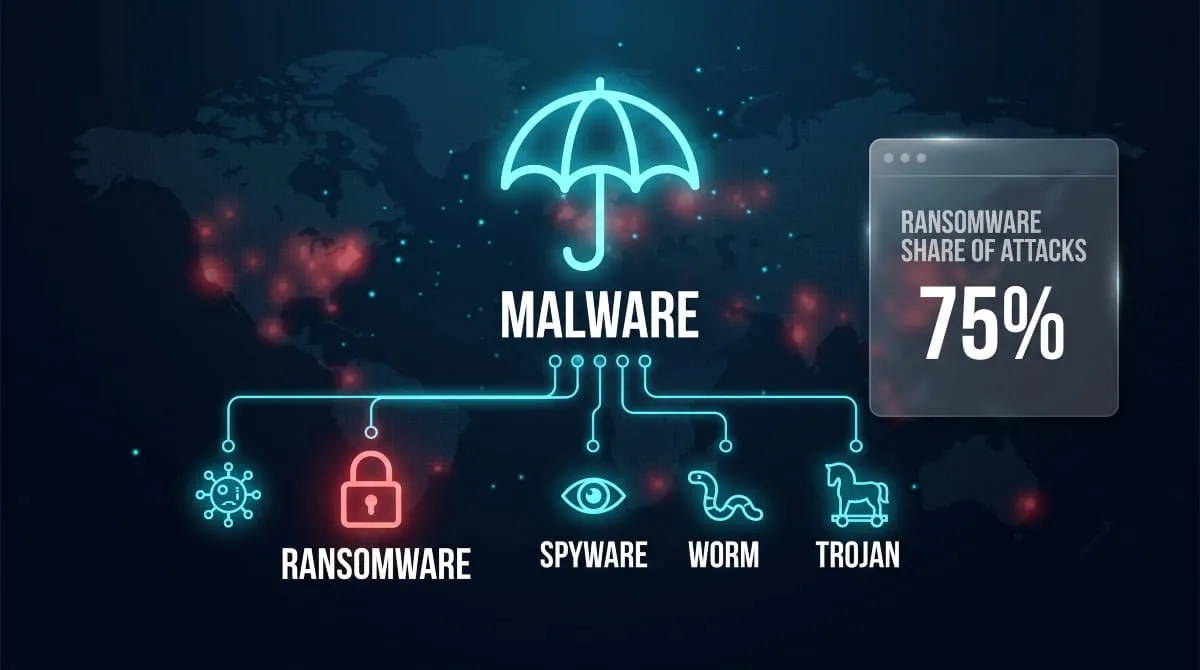
Read moreRansomware is malware, but not all malware is ransomware. That distinction sounds simple, yet it’s the source of most of the confusion around these two terms.…
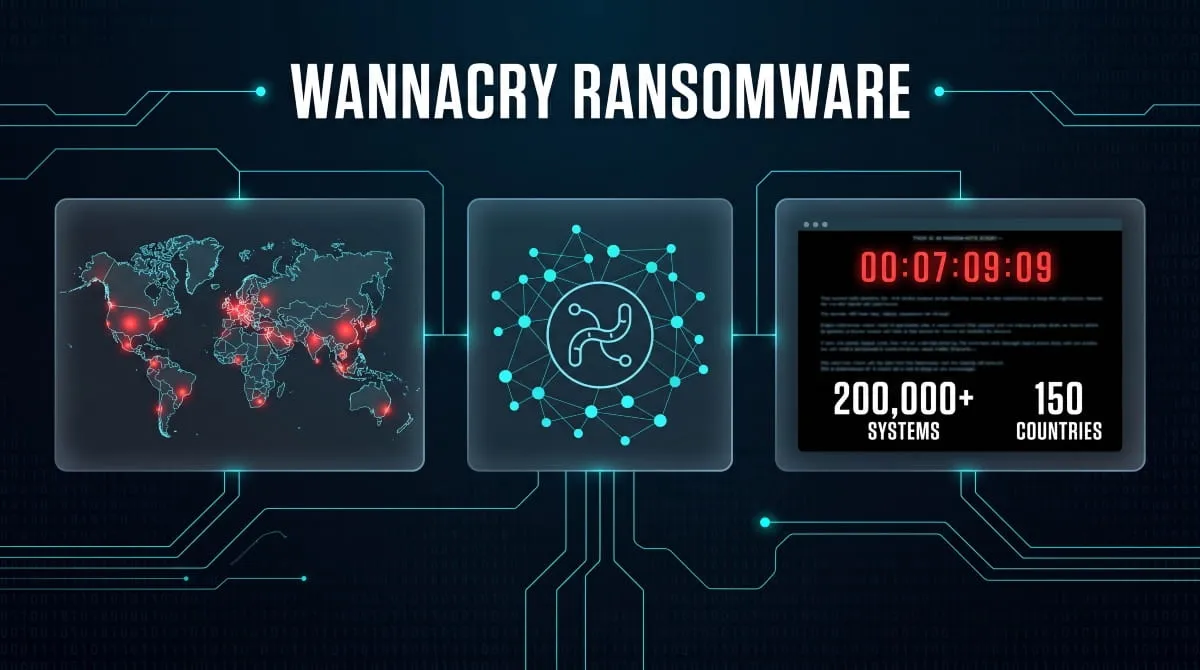
Read moreWannaCry is a self-propagating ransomware worm that infected more than 200,000 computers across 150 countries within four days in May 2017, encrypting victims’ files and demanding…
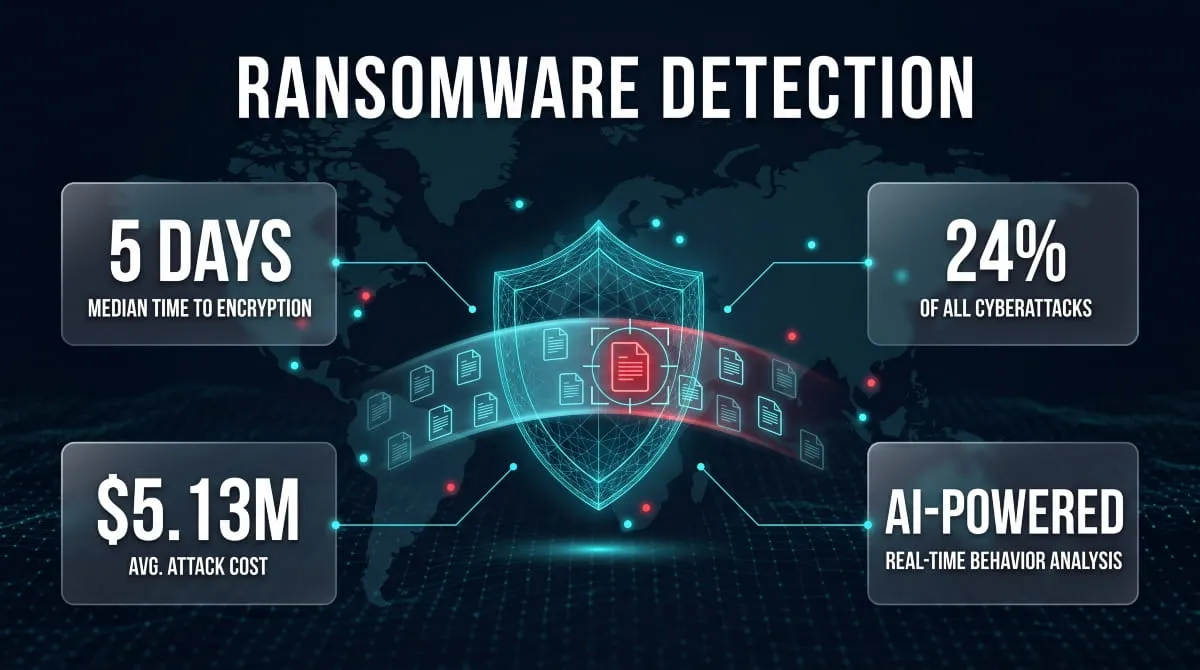
Read moreRansomware detection is the process of identifying malicious encryption activity, precursor behavior, or attacker reconnaissance on a network before, or as, a ransomware payload begins locking…
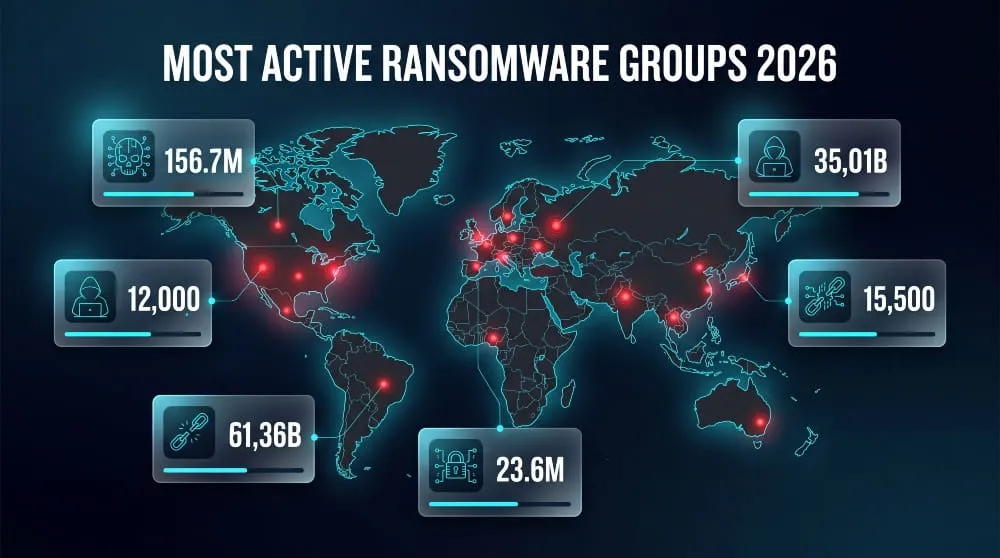
Read moreThe most active ransomware groups in 2026 are Qilin, TheGentlemen, DragonForce, Akira, and LockBit. This shifting lineup dominates leak-site postings even as dozens of smaller crews…
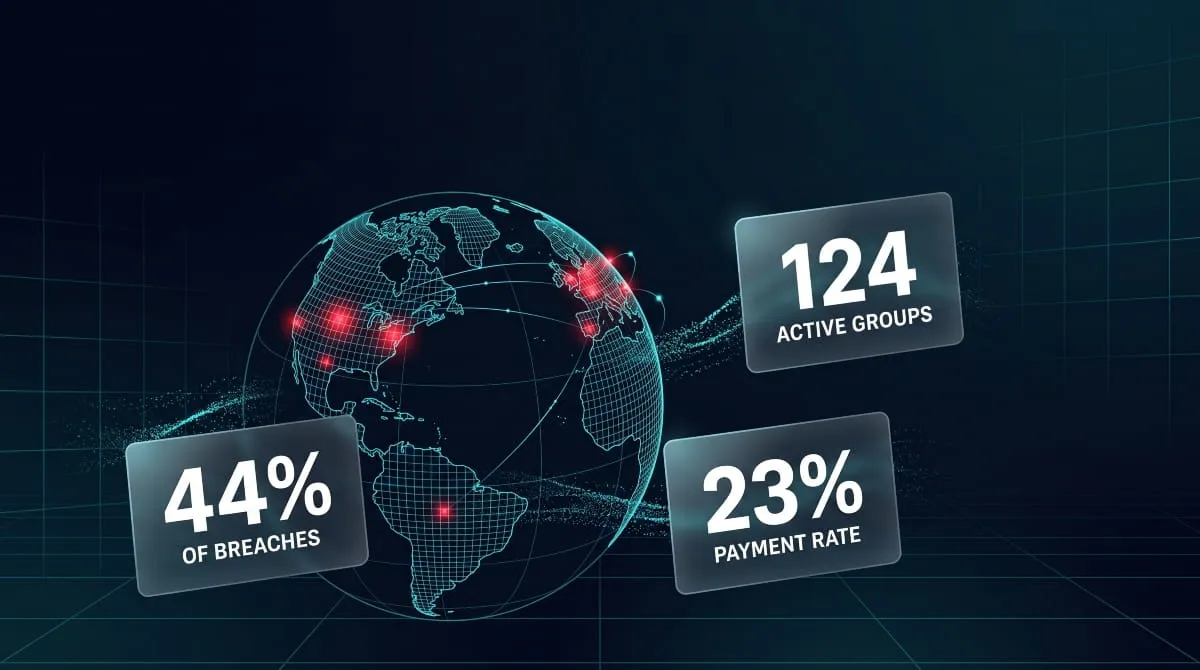
Read moreRansomware trends in 2025 point in one direction: attacks are more frequent, more fragmented across smaller groups, and increasingly aimed at industries that were once considered…
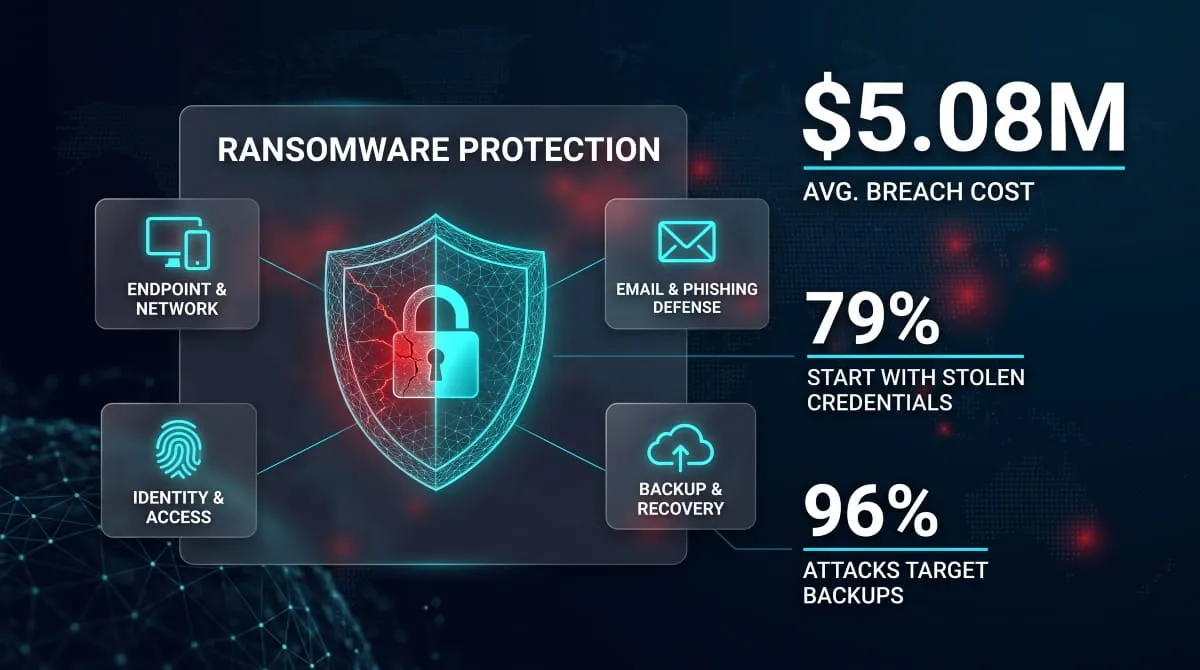
Read moreRansomware protection is the combination of tools, backup practices, and security controls that stop ransomware from encrypting your data and give you a way to recover…
Read moreA ransomware attack is a type of cyberattack in which malicious software encrypts an organization’s files or systems, then demands payment, usually in cryptocurrency, in exchange…
Read moreRun a free dark web report for your domain: breached credentials, infostealer logs and dark web mentions in seconds.