
How to Remove Your Information From the Dark Web (What Actually Works)
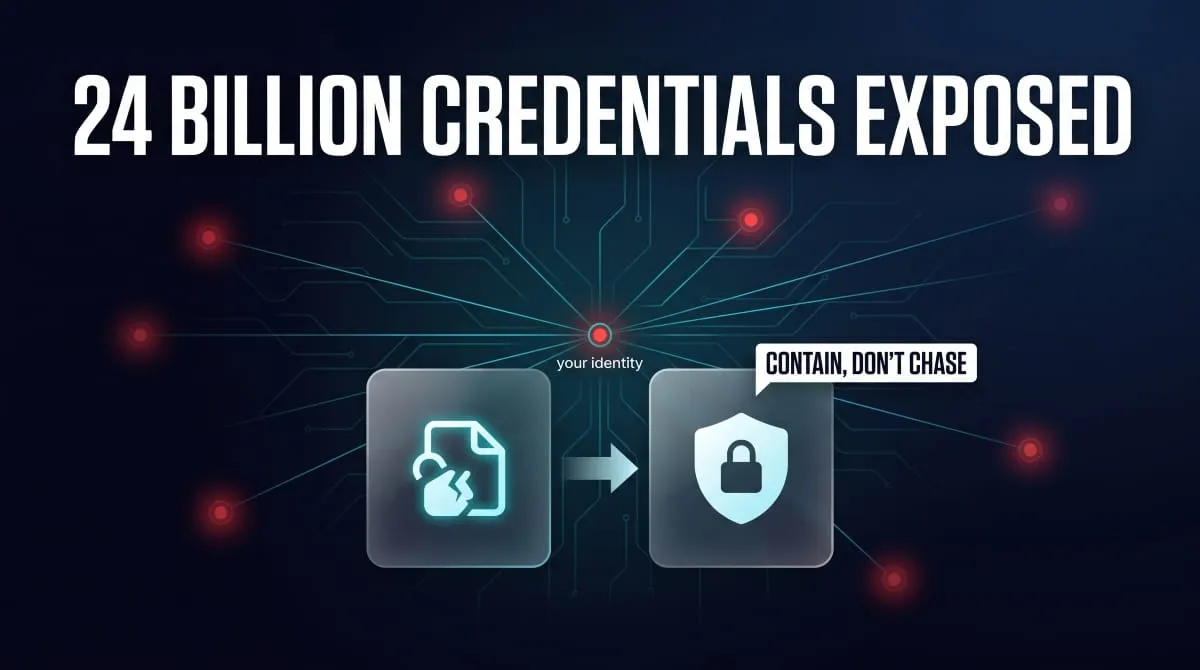
You can’t delete your information from the dark web once it’s been posted there; no service, company, or government can reach into a criminal marketplace and erase a file. What you can do is limit the damage: change the exposed credentials, lock down the accounts tied to them, and monitor continuously so you catch the next leak before it’s used against you.
Why Deleting Yourself From the Dark Web Isn’t Possible
There’s no “delete” button on a stolen data listing. Once your email, password, or Social Security number is copied into a breach dump or an infostealer log, it’s been mirrored across forums, Telegram channels, and marketplaces that no single company controls and no takedown request reaches. Law enforcement can seize a specific marketplace, but the data that already changed hands before the seizure keeps circulating. In one recent case, researchers found an exposed database holding 24 billion stolen credential records pulled from 36 different sources, infostealer logs, breach compilations, and criminal forums combined into one searchable archive, a scale that makes “asking someone to take it down” meaningless. Any service that promises to “erase” your data from the dark web is selling a guarantee it can’t deliver.
What You Can Actually Do When Your Data Is Found There
The realistic goal isn’t erasure; it’s making the exposed data useless to whoever has it. That means three things: change the password on the breached account (and anywhere else you reused it), enable multi-factor authentication so that a stolen password alone isn’t enough to log in, and freeze or monitor your credit if a Social Security number or financial details were involved. None of this removes the original leak, but it closes the door the leak was meant to open.
How to Remove Your Email From the Dark Web
If your email address appears in a scan, the action isn’t removal; it’s containment. Change the password on that email account immediately, since a compromised inbox is often the key attackers use to reset passwords on everything else you own. Check whether the same password is reused elsewhere, and enable two-factor authentication for the email provider. If the exposure came bundled with other personal details, that’s a signal to check for account activity you didn’t authorize, not just the password.
How to Remove Your Name and Personal Details
When a name shows up alongside an address, phone number, or SSN, treat it the same way you’d treat a lost wallet: the goal is to make the exposed identifiers harder to exploit, not to retrieve them physically. Freezing your credit with the major credit bureaus prevents someone from opening new accounts in your name. Watching bank and card statements for small, unfamiliar charges catches early testing behavior before a larger fraud attempt. And flagging your name for ongoing monitoring means you find out about the next exposure within days, not months later when a fraudulent account already exists.
Step-by-Step: What to Do If You Find Your Info on the Dark Web
- Identify exactly what was exposed: email only, or email plus password, plus SSN, plus financial data. The response scales with what’s actually in the leak.
- Change passwords on the affected account and any account that reused the same password.
- Turn on multi-factor authentication everywhere it’s offered, prioritizing email and financial accounts first.
- Freeze credit with Equifax, Experian, and TransUnion if a Social Security number or date of birth was involved.
- Set up ongoing monitoring so future exposures surface automatically instead of showing up as fraud after the fact.
Why Ongoing Monitoring Matters More Than One-Time Removal
A single scan tells you what’s already happened. It doesn’t tell you what happens next week, when a new infostealer log gets uploaded or a breached database gets resold. Dark web monitoring works by continuously scanning criminal marketplaces, forums, and leaked credential dumps for your specific identifiers, so any new exposure triggers an alert rather than going unnoticed for months. That gap, between when data is stolen and when the person it belongs to finds out, is exactly where most of the damage happens. DeXpose’s Dark Web Monitoring tracks that exposure on an ongoing basis, and the Free Dark Web Report is a fast way to check what’s already out there before deciding what to lock down first.
Frequently Asked Questions (FAQ’s)
Can I really delete myself from the dark web?
No. Data already posted to dark web marketplaces or forums can’t be retrieved or erased by any individual, company, or removal service. The realistic response is to change credentials, secure accounts, and monitor for further exposure.
How do I remove my Gmail from the dark web?
You don’t remove it; you secure it. Change the Gmail password immediately, enable two-factor authentication, and check the account’s recent activity for logins you don’t recognize.
Is there a legitimate dark web removal service?
Any service claiming to remove your data from the dark web permanently is overselling what’s technically possible. Reputable services (including DeXpose) monitor for your exposed data and alert you; they don’t claim to delete it at the source.
What should I do first if I find my name on the dark web?
Confirm what specific data was exposed, then prioritize based on sensitivity: password changes for account credentials, credit freezes for SSNs or financial data, and ongoing monitoring in either case.
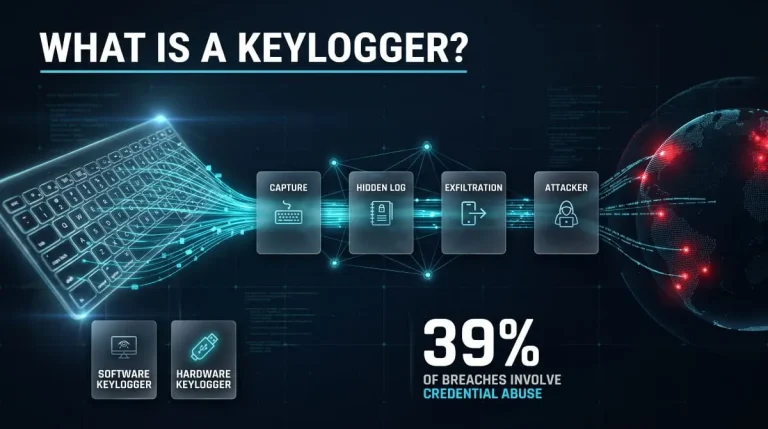
What Is a Keylogger? Definition, Types, Detection and Removal (Complete 2026 Guide)
A keylogger is software or hardware that records every keystroke typed on a device, usually without the user knowing. Attackers use keyloggers to steal passwords, card…
Read more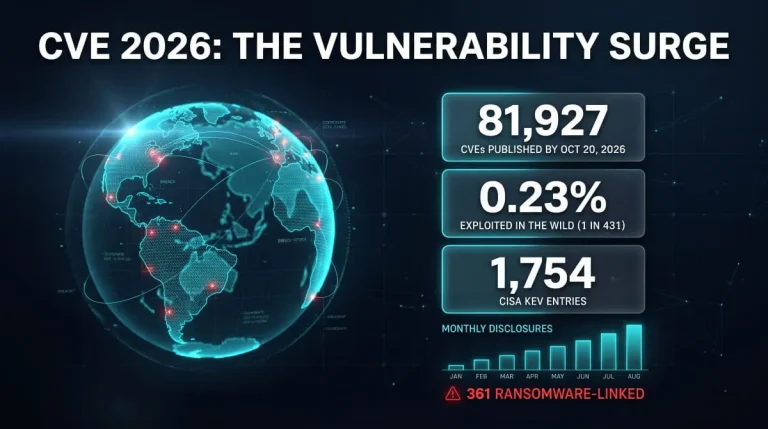
CVE 2026 | The Complete Guide to New, Critical & Actively Exploited Vulnerabilities (Updated Weekly)
CVE 2026 covers every publicly disclosed software flaw assigned a CVE-2026-NNNNN identifier this year, and it is already the largest annual list on record. This guide…
Read more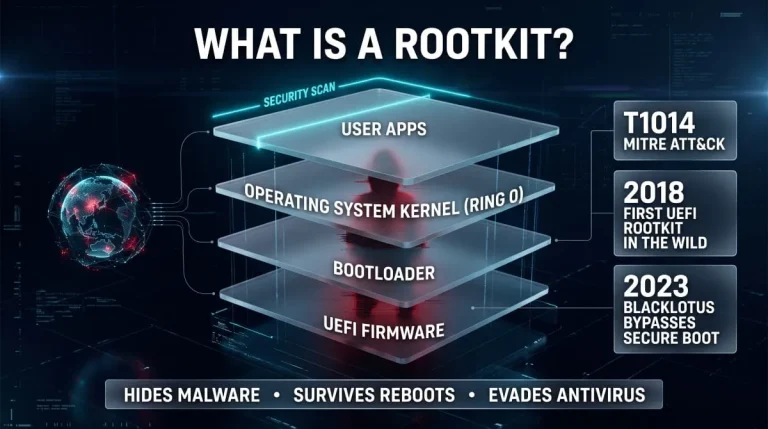
What Is a Rootkit? Definition, Types, Examples, Detection and Removal (Complete Guide)
A rootkit is malicious software that hides itself and the malware it protects by running with the highest privileges and tampering with what the operating system…
Read more