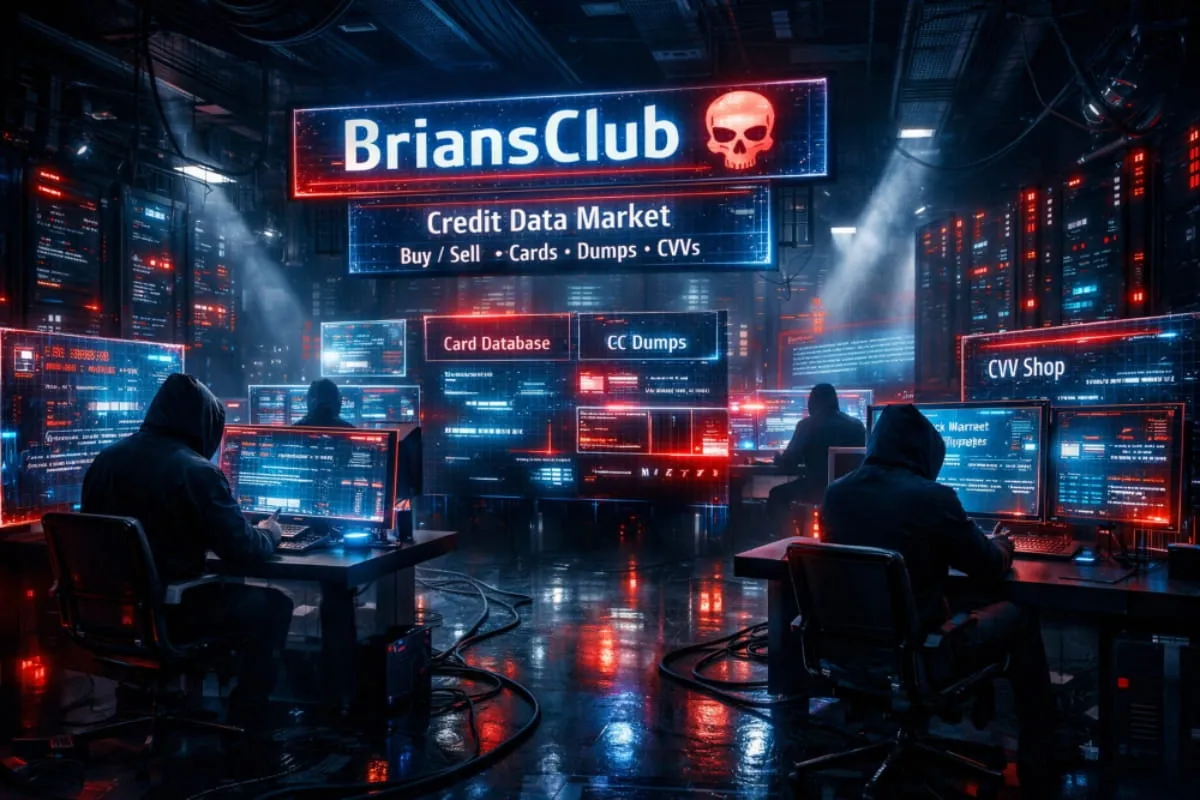
Brian’s Club was one of the most widely discussed dark web marketplaces associated with the sale of stolen credit card data. Over the years, its name has surfaced across cybersecurity reports, online forums, Reddit discussions, and news investigations, often surrounded by confusion, rumors, and misleading information. Many people searching for BriansClub are not looking to participate in illegal activity. Instead, they want clear answers: What was BriansClub? Was it legitimate? Was it shut down? And why do so many different domains and links appear when searching for it?
At its core, BriansClub was alleged to operate as an underground marketplace where compromised financial data was traded. It became widely known after cybersecurity researchers exposed massive datasets linked to the platform, drawing global media attention and law enforcement scrutiny. The exposure raised serious concerns about online payment security, identity theft risks, and the scale of organized cybercrime networks operating behind anonymized domains.
One reason BriansClub continues to generate search interest is ongoing domain confusion. Over time, multiple web addresses, mirror sites, and cloned pages have appeared, leading users to question whether the platform is still active, whether it was seized, or whether newer domains are legitimate.
This guide provides a comprehensive, investigative breakdown of the platform’s history, reported shutdowns, legality concerns, operational structure (from a cybersecurity perspective), and the broader fraud ecosystem surrounding similar marketplaces. Rather than promoting or enabling illegal activity, this article focuses on awareness, digital safety, and understanding how such platforms impact consumers and financial institutions worldwide.
If you’re researching BriansClub to understand what it was, whether it still exists, or how it relates to data breaches and online fraud, this in-depth resource will clarify the facts and separate speculation from documented investigation.

What was Brian’s Club?
They are usually trying to determine whether it is a legitimate website, a scam, or something more complex. In reality, BriansClub was widely reported to be a dark web marketplace allegedly involved in the sale of stolen payment card data. It was frequently described in cybersecurity investigations as a “carding site” or “CC shop”, terms commonly used to refer to underground platforms where compromised financial information is traded.
Although different domains and variations of the name emerged over time, the core identity associated with BriansClub remained the same: an online marketplace linked to cybercrime. Its visibility in security research reports and media coverage made it one of the most recognized names in underground carding operations.
Understanding what BriansClub was requires examining its origins, how it reportedly operated, and why it became so widely discussed in cybersecurity circles.
Origin and Background
The platform, believed to be known as BriansClub, emerged as part of the broader dark web ecosystem, a network of hidden services accessible through anonymizing technologies. Over time, it gained attention within fraud-monitoring communities due to the volume of stolen card records allegedly listed on the site.
Unlike traditional online marketplaces, BriansClub operated in secrecy, using rotating domains and hidden access points. Searches such as “what is briansclub.cm” or “briansclub dark web” often stem from confusion about which domain, if any, represented the original platform. Reports indicate that the site used various web addresses over time, contributing to ongoing uncertainty about its authenticity and status.
The name itself became synonymous with large-scale card data exposure after cybersecurity researchers uncovered extensive datasets reportedly linked to the platform. This discovery pushed BriansClub from an obscure underground marketplace into mainstream security headlines.
How It Operated as a Dark Web Marketplace
Brian’s Club was commonly described as a “carding site” or “CC shop,” meaning it allegedly functioned as a marketplace for stolen credit and debit card information. In cybersecurity terminology, these platforms act as intermediaries, organizing compromised financial data into searchable categories for illicit buyers.

The structure of such marketplaces typically mirrors legitimate e-commerce websites, complete with listings, account systems, and transaction processes, but operates outside legal frameworks. The presence of terms like “briansclub shop” or “briansclub forum” in search queries reflects users’ attempts to determine whether it functioned as a store, a discussion board, or both.
It’s important to clarify that these operations are illegal and pose significant risks not only to victims whose data is compromised but also to individuals who attempt to interact with such platforms. Law enforcement agencies globally have targeted similar marketplaces as part of broader cybercrime crackdowns.
Why It Became Widely Known
Brian’s Club gained widespread recognition after cybersecurity researchers reported uncovering millions of stolen card records allegedly connected to the platform. This exposure triggered international media coverage and intensified scrutiny from financial institutions and law enforcement agencies.
As news of investigations and potential shutdowns circulated, public interest surged. Searches like “briansclub what is it” and “what is briansclub” increased dramatically, especially as rumors spread about domain seizures, arrests, and data breaches.
The combination of large-scale data exposure, investigative reporting, and repeated domain changes cemented BriansClub’s name within discussions about dark web marketplaces and financial fraud. Even years later, it continues to attract search traffic from individuals seeking clarity about its legitimacy, its operational history, and its current status.
Understanding BriansClub is not about accessing it; it’s about recognizing how such platforms operate, why they become targets of international investigations, and how they impact the broader cybersecurity landscape.
Was Brian’s Club Legit or a Scam?
One of the most common questions people ask is: “Is BriansClub legit?” The short answer, based on cybersecurity investigations and law enforcement reports, is that BriansClub was widely described as an illegal marketplace that traded in stolen financial data. It was not a legitimate business operating within legal or regulatory frameworks.
Searches like “is briansclub.cm legit” or “briansclub scam” often reflect confusion caused by domain changes, copycat websites, and online rumors. Because multiple versions of the name have appeared over time, many users are unsure whether they are looking at a real platform, a clone, or a phishing site impersonating the original.

To determine whether BriansClub is legitimate, it’s important to examine why people question its credibility, how authorities classify such platforms, and the risks involved for anyone who interacts with them.
Is BriansClub Legit?
The search volume for terms like “briansclub legit,” “briansclub reviews,“ and “briansclub.cm review“ indicates that users are evaluating the site’s trustworthiness. In many cases, individuals encounter mentions of the site on forums, social media threads, or discussion platforms such as BriansClub Reddit conversations, and then seek verification.
Some users even look for “briansclub.cm Trustpilot“ ratings, assuming it might function like a conventional online store. This confusion arises because underground marketplaces often mimic legitimate e-commerce layouts, using familiar design patterns that resemble those of standard shopping websites.
However, traditional review platforms and consumer rating systems are not designed to evaluate illicit marketplaces. Any perceived “reviews“ circulating in forums typically reflect user anecdotes rather than verified consumer experiences. The presence of online discussions does not establish legitimacy, especially when the underlying activity involves stolen data.
Legal Status and Criminal Classification
From a legal standpoint, platforms alleged to facilitate the sale of stolen credit card information are classified as criminal enterprises in most jurisdictions. Law enforcement agencies and cybersecurity firms have consistently categorized BriansClub as part of the broader dark web fraud ecosystem.
Markets described as “carding sites“ or “CC shops“ operate outside the law because they allegedly trade compromised financial data. This type of activity violates fraud, identity theft, and financial crime statutes worldwide. As a result, even accessing or attempting to transact on such platforms can carry serious legal consequences.
When evaluating whether BriansClub is legitimate, the key factors are not website design, domain stability, or user testimonials. Legitimacy depends on compliance with laws and regulatory standards, and marketplaces tied to stolen payment information do not meet those standards.
Risks for Users
Beyond legality, interacting with platforms associated with cybercrime presents significant risks. These risks extend beyond financial loss and can include:
- Exposure to scams or exit fraud
- Malware infections through cloned domains
- Identity tracking or surveillance by law enforcement
- Personal data theft from phishing mirrors
Ironically, individuals searching for “briansclub scam“ may not realize that many so-called replacement domains are themselves fraudulent copycats designed to exploit curiosity. Because domain names frequently change, users may encounter fake versions that harvest credentials or cryptocurrency payments without delivering anything in return.
Even visiting suspicious marketplaces can expose devices to malicious scripts or tracking mechanisms. That’s why cybersecurity experts consistently advise avoiding any interaction with platforms alleged to facilitate illegal transactions.
In summary, BriansClub was not considered a legitimate service. It was widely reported as part of the underground cybercrime economy. Searches questioning its legitimacy reflect confusion created by domain changes, online rumors, and forum discussions, but from a legal and security perspective, the risks and classifications are clear.
What Happened to Brian’s Club?
The question “what happened to BriansClub?“ continues to generate significant search interest, especially following reports of data leaks, law enforcement scrutiny, and rumors about shutdowns. Over time, headlines mentioning a BriansClub data breach, alleged arrests, and claims that the platform was seized or dismantled fueled widespread speculation.

Because underground marketplaces often operate behind changing domains and anonymized infrastructure, it can be difficult for the public to distinguish between confirmed enforcement actions and online rumors. Still, several key developments shaped the narrative around BriansClub and explain why searches like “briansclub shut down,” “briansclub 2022,“ and “briansclub news“ remain common.
Law Enforcement Actions
Marketplaces allegedly linked to stolen payment data are frequent targets of international cybercrime investigations. Authorities across multiple jurisdictions have historically coordinated operations to seize servers, disrupt infrastructure, and identify operators connected to illicit financial activity.
While specific operational details are often limited due to ongoing investigations, BriansClub became the subject of heightened enforcement attention after cybersecurity researchers exposed large datasets reportedly tied to the platform. Public exposure can significantly weaken such marketplaces by undermining user trust and increasing scrutiny from financial crime units.
Reports of domain seizures and infrastructure disruptions likely contributed to searches asking whether BriansClub was officially shut down. In the underground ecosystem, enforcement pressure often results in temporary outages, rebranding, or migration to new domains.
Reports of Shutdowns
Over the years, multiple claims circulated that BriansClub was offline. Searches such as “briansclub shut down today“ and “briansclub shut down 2022“ reflect moments when users encountered inaccessible domains or media coverage suggesting disruption.
However, with dark web marketplaces, “shutdown“ does not always mean permanent closure. Platforms may temporarily disappear due to technical issues, internal disputes, or enforcement pressure, only to reappear under a different domain. This cycle fuels ongoing confusion and recurring search interest.
It’s also important to note that cloned or impersonator sites sometimes appear after high-profile disruptions. These copycat domains capitalize on traffic from people searching for updates, further complicating the question of whether a platform is truly inactive.
Arrests and Investigations
Search queries like “briansclub arrested“ or “briansclub owner arrested“ stem from public curiosity about accountability. Large-scale cybercrime investigations often involve identifying administrators, moderators, and financial facilitators connected to illicit marketplaces.
While not every underground platform results in publicized arrests, law enforcement agencies routinely pursue operators linked to fraud and identity theft networks. Media coverage of related cybercrime arrests frequently leads users to assume a specific marketplace has been dismantled, even when investigations are broader in scope.
In many cases, details remain confidential until indictments are unsealed or court proceedings begin. This lack of immediate transparency contributes to speculation and ongoing online discussion.
Data Breach Exposure
One of the most significant developments tied to BriansClub was the exposure of a massive trove of payment card records reportedly connected to the platform. Often referred to in discussions as a BriansClub hack or BriansClub data breach, this incident brought global attention to the scale of the alleged operation.
Cybersecurity researchers who analyzed the leaked data described millions of compromised card entries, prompting banks and financial institutions to take protective measures. The exposure not only disrupted the platform’s reputation but also intensified investigative efforts.
For many observers, this data breach marked a turning point. It shifted BriansClub from an obscure dark web marketplace to a headline topic in cybersecurity news cycles. Since then, periodic claims of shutdowns, reappearances, and enforcement actions have kept the name circulating in online searches.
In summary, what happened to BriansClub is a story shaped by data exposure, enforcement scrutiny, domain instability, and ongoing investigation. While reports of shutdowns and arrests continue to surface, the broader lesson lies in how such marketplaces operate under constant pressure, and how quickly their status can change in response to legal and security actions.
Why Was BriansClub Frequently Down?
A recurring pattern in search behavior involves questions like “Is BriansClub down?“ “BriansClub site down,“ or “BriansClub.cm not working.“ These queries reflect ongoing confusion about the platform’s availability, shifting domains, and repeated reports of outages. Unlike legitimate businesses that maintain stable web addresses, underground marketplaces often operate on unstable infrastructure, leading to frequent downtime.
Several factors help explain why users frequently encountered inaccessible pages or searched for a “BriansClub new domain.“ Understanding these factors requires looking at enforcement actions, mirror domains, impersonation sites, and the role of online rumors.

Domain Seizures
One major reason a platform associated with illicit activity may appear offline is domain seizure. Law enforcement agencies can take control of web addresses tied to alleged criminal operations, replacing them with official seizure notices or removing them entirely.
When this happens, users searching for a “BriansClub domain“ or the so-called “BriansClub official site“ may suddenly find nothing accessible. This leads to spikes in searches asking whether the site is down or permanently shut.
In underground ecosystems, domain instability is common. Even without a formal seizure, hosting providers may suspend services, infrastructure may be disrupted, or administrators may proactively migrate to new locations to avoid detection. As a result, a single domain rarely remains active for long.
Mirror Domains and Clones
When a marketplace disappears, alternative versions often surface. These are sometimes referred to as mirror domains, duplicate versions hosted at different web addresses. Searches such as “BriansClub new domain“ or “BriansClub real domain“ typically stem from attempts to find what users believe is the latest version.
However, not all mirrors accurately reflect the original platform. In many cases, new domains appear claiming to be the authentic continuation. Because dark web services can also operate via anonymized networks like Tor, confusion increases when users encounter references to a “BriansClub onion“ address or a “BriansClub Tor“ link.
This constant domain rotation contributes heavily to perceptions that the site is “not working,“ even when activity may have shifted elsewhere.
Fake Copycat Sites
Another major source of confusion involves impersonator websites. After high-profile disruptions, cybercriminals often register similar domain names designed to capture search traffic from people looking for updates. These copycat sites may display familiar branding while harvesting login credentials or cryptocurrency payments.
As a result, individuals searching for a “BriansClub link“ or trying to confirm the “BriansClub official site“ may encounter fraudulent clones rather than the original platform. This cycle fuels ongoing claims that the site is down, has been hacked, or has been replaced.
Ironically, some of these impersonation pages are themselves scams targeting curious visitors. The instability of underground marketplaces creates ideal conditions for phishing operations and misinformation.
Reddit & Forum Rumors
Online forums and social platforms amplify uncertainty. Threads discussing whether “is BriansClub down“ or reporting that “BriansClub.cm not working“ can quickly spread, even when based on temporary outages or misinformation.
Because underground marketplaces lack transparent customer support or public communication channels, speculation fills the gap. A single user reporting downtime can trigger widespread assumptions about shutdowns or arrests.
Discussions on Reddit and other forums often mix firsthand observations with rumors, making it difficult to separate confirmed developments from speculation. This continuous stream of commentary keeps domain confusion alive and sustains search interest long after initial disruptions.
In summary, BriansClub’s frequent “downtime“ was not unusual for platforms operating in legally risky environments. Domain seizures, infrastructure shifts, mirror sites, impersonators, and online rumors all contributed to the perception that the site was constantly disappearing and reappearing. For observers, this instability underscores a broader reality: underground marketplaces operate in an environment defined by disruption, uncertainty, and legal pressure, not permanence or transparency.
How Did BriansClub Work?
To understand the broader conversation around BriansClub, it’s important to examine how marketplaces of this type are structured from a cybersecurity and investigative standpoint. While details vary between platforms, underground carding markets typically follow a recognizable model. They organize stolen financial data into searchable listings, categorize it by type, and facilitate transactions through anonymous payment systems.

This section provides an educational explanation of how such operations are reported to function. The goal is awareness, not instruction, and a clearer understanding of the risks and mechanics behind these illicit ecosystems.
What Are CVVs, Dumps, and Fullz?
In discussions about underground marketplaces, several recurring terms appear:
CVV generally refers to credit or debit card details that include the card number, expiration date, and the card verification value. These datasets are often used for unauthorized online transactions.
Dumps typically describe data extracted from a card’s magnetic stripe. This information can be encoded onto counterfeit cards and used in physical transactions where chip verification is not required.
Fullz is slang for a more complete identity profile. In addition to payment details, it may include a person’s name, address, date of birth, and sometimes Social Security numbers or other identifying information.
When platforms like BriansClub were described as a “CC shop,“ they were alleged to list these types of data records in organized categories. Each listing might include limited descriptive attributes, such as issuing bank or country, allowing buyers to filter options. From an investigative perspective, this structure mirrors legitimate e-commerce systems, but the underlying assets are stolen financial identities.
How Stolen Card Data Is Sold on Dark Web Markets
Underground marketplaces often function similarly to standard online stores in terms of layout and user flow. Users create accounts, browse listings, fund balances through cryptocurrency, and complete purchases through internal dashboards. This familiar structure is one reason why some individuals mistakenly assume legitimacy when encountering such platforms.
The data sold on these markets is usually sourced from phishing campaigns, malware infections, point-of-sale breaches, or large-scale database compromises. Once collected, the information is uploaded to marketplaces, where it can be sorted and priced based on factors such as card type, issuing country, or perceived reliability.
From a cybersecurity standpoint, these markets act as distribution hubs within a larger fraud supply chain. They connect data harvesters with downstream fraud actors, creating an ecosystem that monetizes compromised financial information.
However, these operations are illegal and constantly monitored by law enforcement agencies. Infrastructure disruptions, data leaks, and enforcement actions frequently destabilize such marketplaces.
Why These Markets Keep Reappearing
Even after reported shutdowns or data exposures, similar platforms often resurface. Several factors drive this persistence.
First, the profitability of stolen financial data creates strong incentives. As long as breaches persist, compromised information continues to flow through underground channels.
Second, the decentralized nature of the dark web makes it difficult to eliminate all related infrastructure permanently. Administrators may relocate services, register new domains, or migrate to anonymized networks.
Third, the ecosystem operates globally. Enforcement in one jurisdiction does not automatically dismantle actors operating elsewhere.
For observers researching BriansClub, this pattern explains why claims of reappearance under new domains may follow reports of shutdowns. It reflects a broader reality of cybercrime markets: disruption is common, but eradication is complex.
Understanding how these systems function highlights the importance of data protection, fraud monitoring, and consumer vigilance. Rather than viewing platforms like BriansClub in isolation, they should be seen as part of a larger cybersecurity challenge affecting financial institutions and individuals worldwide.
Are There Sites Like BriansClub?
Searches for “sites like BriansClub“ or “BriansClub alternatives“ typically increase after reports of shutdowns or domain disruptions. When a well-known underground marketplace appears offline, curiosity shifts toward whether similar platforms exist. From a cybersecurity perspective, the answer is that BriansClub was not an isolated case; it was part of a broader ecosystem of illicit carding marketplaces operating across hidden networks and shifting domains.
However, it is critical to understand that platforms described as alternatives function within the same legal and ethical boundaries, meaning they are illegal and pose serious risks.

The Ecosystem of Carding Marketplaces
Underground carding marketplaces operate as interconnected nodes within a larger fraud economy. When one platform is disrupted, others often attempt to absorb displaced traffic. This ecosystem includes marketplaces, private forums, encrypted chat groups, and temporary storefronts that emerge in response to enforcement actions.
Much like BriansClub was reported to function as a centralized “CC shop,“ other marketplaces organize stolen financial data into categorized listings. These platforms often mimic legitimate online stores in design and structure, creating the illusion of professionalism. In reality, they exist to facilitate the trade of compromised financial information.
Because this ecosystem is decentralized and global, the disruption of one marketplace rarely eliminates the broader network. Instead, activity fragments and reappear under new branding elsewhere.
Why Alternatives Are Still Illegal
It’s important to clarify that any site operating as a marketplace for stolen payment data remains illegal, regardless of its name or domain. Searching for BriansClub alternatives does not change the underlying classification of these platforms.
They typically violate financial fraud statutes, identity theft laws, and computer misuse regulations across multiple jurisdictions. Engaging with such platforms can expose individuals to criminal liability, financial loss, and cybersecurity threats.
The concept of an “alternative“ may imply a safer or more reliable option, but within this context, that assumption is misleading. The legal and security risks remain the same across similar marketplaces.
How Scammers Exploit Search Traffic
Another reason the “sites like BriansClub“ query is risky is the presence of copycat operations and phishing schemes. When high-profile platforms generate search traffic, opportunistic actors often create fake domains claiming to be replacements.
These impersonator sites may request cryptocurrency deposits, login credentials, or personal information, without providing anything in return. In many cases, they are scams targeting individuals who are already searching for controversial or underground platforms.
Additionally, some domains capitalize on SEO traffic by presenting themselves as review pages or supposed official successors. This further blurs the line between investigative research and exposure to malicious content.
In summary, while BriansClub was widely associated with a specific underground marketplace, it existed within a broader ecosystem of similar operations. Any platform functioning in that space carries the same legal and security implications. For researchers and consumers alike, the safer approach is awareness, understanding how these ecosystems operate and how search traffic can be exploited, rather than seeking replacements within the same illicit network.
Is BriansClub Still Active?
A recurring question in search engines is whether BriansClub is still active. Users often encounter different domains, outdated links, or reports claiming the platform has resurfaced. Because underground marketplaces frequently change infrastructure, it can be difficult for observers to determine what is authentic, what has been seized, and what may simply be a scam exploiting the name.

Understanding the current status of BriansClub requires examining domain confusion, law enforcement seizure patterns, and the growing number of phishing clones that capitalize on search traffic.
Domain Confusion (.cm, .at, .ru, .su, etc.)
One of the biggest sources of uncertainty comes from the appearance of multiple domain extensions associated with the name. Variations such as .cm, .at, .ru, .su, and others have circulated over time, leading many people to assume that one of them must be the “real“ version.
In reality, underground marketplaces rarely maintain a single stable web address. Domains may change due to enforcement pressure, hosting disruptions, internal migrations, or attempts to evade monitoring. As a result, users searching for the latest version often encounter outdated pages, parked domains, or entirely unrelated websites.
This constant rotation fuels speculation about whether the platform is still operating or has permanently shut down. Without official communication channels, uncertainty becomes part of the ecosystem.
How to Identify Seized Domains
When law enforcement agencies take control of a domain linked to alleged criminal activity, they often replace it with a seizure notice. These notices typically include official agency logos and reference legal authority under which the domain was confiscated.
However, not every inactive website indicates a seizure. Domains can expire, be suspended by hosting providers, or go offline for technical reasons. Because underground platforms lack transparency, observers often misinterpret temporary outages as permanent closures.
It’s also worth noting that the absence of a visible seizure banner does not confirm legitimacy. Some domains may remain accessible even if investigations are ongoing elsewhere.
Warning About Phishing Clones
Perhaps the greatest risk for individuals researching whether BriansClub is still active is encountering phishing clones. After high-profile reports of shutdowns or disruptions, scammers frequently register lookalike domains to capture traffic from curious users.
These impersonator sites may claim to be the “new official“ version, request account registration, or prompt users to make cryptocurrency deposits. In many cases, they exist solely to harvest credentials or funds.
Because underground marketplaces already operate in legally risky territory, there is no reliable way to verify authenticity through standard consumer protections. That uncertainty creates ideal conditions for fraudsters to exploit search demand.
In summary, determining whether BriansClub is still active is complicated by domain changes, enforcement actions, and copycat operations. The instability surrounding such platforms underscores a broader reality: underground marketplaces operate in an environment defined by disruption and risk, not permanence or transparency.
How to Protect Yourself From Card Data Theft
Discussions around platforms like Brian’s Club ultimately highlight a larger issue: card data theft is a global cybersecurity problem affecting everyday consumers. Whether or not someone has ever visited a dark web marketplace, financial information can be exposed through retail breaches, phishing scams, malware, or compromised payment systems.
The most important takeaway is not curiosity about underground markets, it’s prevention and response. Understanding the warning signs of compromised data and knowing what to do next can significantly reduce financial and identity risks.

Signs Your Card Data Was Compromised
In many cases, the first indication of stolen card information is unusual activity on your bank statement. Small, unfamiliar transactions are often used to test whether a card is active before larger fraudulent charges appear.
Other warning signs may include:
- Transaction alerts for purchases you did not make
- Declined payments despite sufficient funds
- Notifications from your bank about suspicious activity
- Receiving replacement cards you did not request
- Alerts that your information appeared in a known data breach
It’s important not to ignore minor irregularities. Fraudsters frequently begin with low-value transactions to avoid triggering immediate alarms.
How to Check for Data Breaches
If you suspect your information may have been exposed, start by reviewing official notifications from your bank or card issuer. Financial institutions typically monitor large-scale data breaches and proactively issue replacement cards when necessary.
You can also use reputable breach notification services to check whether your email address has appeared in known data leaks. These services do not access underground marketplaces directly but instead analyze publicly reported or responsibly disclosed datasets.
In addition, enabling real-time transaction alerts in your banking app can help detect unauthorized charges early.
What to Do If Your Information Is Exposed
If you confirm or strongly suspect card data theft, act immediately:
Contact your bank or card issuer and report the suspicious activity.
Request a card cancellation and replacement.
Review recent transactions carefully to identify unauthorized charges.
Change the passwords for financial accounts, especially if you reuse credentials.
In cases involving broader identity exposure, you may consider placing a fraud alert or credit freeze with major credit bureaus to prevent new accounts from being opened in your name.
Speed matters. The faster fraudulent activity is reported, the greater the chance of limiting financial damage.
Monitoring & Identity Protection Tools
Proactive monitoring can significantly reduce risk. Many banks now offer built-in fraud detection, transaction alerts, and virtual card features designed to limit exposure during online purchases.
Additional protective measures include:
- Using strong, unique passwords stored in a secure password manager
- Enabling multi-factor authentication on financial accounts
- Avoiding suspicious links in emails or text messages
- Keeping devices updated with the latest security patches
For individuals seeking additional safeguards, identity protection services may offer credit monitoring, dark web monitoring, and identity restoration support. While no tool can eliminate risk, layered security dramatically reduces vulnerability.
Ultimately, awareness is your strongest defense. Platforms associated with stolen card data may capture headlines, but prevention begins with everyday digital hygiene, fast response to suspicious activity, and proactive financial monitoring. By focusing on protection rather than curiosity, consumers can significantly reduce the impact of card data theft.
Sites Like BriansClub: Understanding the Broader Fraud Ecosystem
Search queries such as “sites like BriansClub,“ “BriansClub alternatives,“ or “websites like BriansClub“ typically surge when reports surface about outages, shutdowns, or arrests. On the surface, these searches may appear to reflect curiosity about similar platforms. In reality, they point to a much larger and more complex underground fraud ecosystem.
BriansClub was not an isolated operation. It was widely described as part of a network of illicit marketplaces that allegedly facilitated the sale of stolen payment data. When one platform disappears, others often emerge to fill the gap. This pattern creates the impression that alternatives are constantly available, but the structure and legal implications remain the same.
The Reality Behind Alternatives
The term “alternative“ can be misleading. In legitimate industries, alternatives offer safer, better, or more reliable services. Within the context of underground carding marketplaces, however, alternatives simply replicate the same illegal model under different branding.
Websites like BriansClub typically follow a similar blueprint:
- Anonymous access methods
- Cryptocurrency-based transactions
- Listings of compromised financial or identity data
- Rotating domains to avoid detection
From a cybersecurity perspective, these platforms are nodes within a broader cybercrime economy. Shutting down one marketplace does not eliminate demand or supply; it merely redistributes activity across other domains.
Why Searching for Similar Sites Is Risky
Looking for BriansClub alternatives exposes users to multiple layers of risk. First, platforms operating in this space are illegal in most jurisdictions, meaning engagement can carry serious legal consequences. Second, many so-called replacement sites are not even operational marketplaces; they are phishing traps designed to exploit search traffic.
After high-profile disruptions, scammers often register domains that resemble previously known names. These sites may claim to be the “new official“ version, request registration details, or prompt users to make cryptocurrency deposits. In many cases, they exist solely to harvest credentials or funds.
Because there is no regulatory oversight or consumer protection within underground markets, there is also no reliable way to verify authenticity. Trust is often built on anonymous forum posts, which can be manipulated or fabricated.
A Broader Cybersecurity Issue
The continued search interest in sites like BriansClub highlights an ongoing cybersecurity challenge rather than a single website’s story. Carding marketplaces thrive on stolen data generated by phishing attacks, malware infections, retail breaches, and compromised databases.
As long as data theft remains profitable, similar platforms will continue to surface under new names. This cycle underscores the importance of prevention, monitoring, and digital awareness, not participation.
In the end, the safer and more informed approach is understanding how these ecosystems operate and how they exploit both victims and curious searchers. The focus should remain on protection and fraud awareness, not on locating successors within the same illicit network.
Conclusion
Brian’s Club became one of the most talked-about names associated with dark web carding marketplaces, not because it was legitimate, but because it exposed the scale and structure of modern financial cybercrime. From questions like what is BriansClub? to concerns about whether it was shut down, legit, or still active, the ongoing search interest reflects confusion fueled by domain changes, data breach reports, and online rumors.
At its core, the story of BriansClub is not just about a single platform. It represents a broader ecosystem of underground marketplaces that monetize stolen payment data, frequently shift domains, and operate under constant enforcement pressure. Reports of shutdowns, alleged arrests, and large-scale data exposure highlight how unstable and legally risky these operations are, both for operators and anyone attempting to interact with them.
For most people researching BriansClub, the real takeaway is awareness. Understanding how such platforms function, why they resurface under different domains, and how they impact consumers helps separate fact from speculation. More importantly, it reinforces the need for proactive fraud prevention, transaction monitoring, and digital security hygiene.
Cybercrime marketplaces may evolve, migrate, or disappear, but the importance of protecting your financial data remains constant. Staying informed is the safest and smartest response to the questions surrounding BriansClub and similar platforms.
Frequently Asked Questions (FAQ)
What is BriansClub?
BriansClub was widely reported as a dark web marketplace allegedly involved in the sale of stolen credit and debit card data. It gained international attention after cybersecurity researchers exposed millions of compromised payment records linked to the platform. It was commonly described as a “carding site“ or underground “CC shop“ operating through rotating domains.
Is BriansClub legit?
No. BriansClub was not considered a legitimate business. Platforms alleged to facilitate the sale of stolen financial data are illegal in most jurisdictions. Despite online searches for reviews or legitimacy checks, such marketplaces operate outside legal and regulatory frameworks.
Was BriansClub shut down?
There have been multiple reports of BriansClub being disrupted or going offline over time. Domain seizures, infrastructure changes, and law enforcement investigations contributed to shutdown claims. However, underground marketplaces often reappear under different domains, which creates ongoing confusion about their status.
Who owned BriansClub?
Publicly verified ownership details have not been transparently disclosed in official consumer-facing records. Like many dark web marketplaces, BriansClub allegedly operated anonymously. Law enforcement agencies typically withhold the identities of specific operators until formal charges or indictments are announced.
Why is BriansClub not working?
Reports of BriansClub “not working“ are commonly linked to domain seizures, hosting suspensions, infrastructure disruptions, or site migrations. Additionally, many inactive links are due to expired domains or impersonator sites rather than confirmed shutdowns.
What are BriansClub alternatives?
Searches for BriansClub alternatives usually refer to other underground marketplaces operating within the same illicit ecosystem. However, any platform facilitating the sale of stolen financial data remains illegal and carries significant legal and cybersecurity risks. Many so-called alternatives are also phishing clones designed to exploit search traffic.
Is BriansClub on Tor?
BriansClub was reportedly associated with methods for accessing hidden services, which may have included anonymized networks such as Tor. However, underground marketplaces frequently change access points, and many links circulating online are outdated or fraudulent impersonations.
What happened in 2022?
In 2022, discussions surrounding BriansClub resurfaced due to ongoing enforcement pressure, domain instability, and continued cybersecurity reporting. Claims of shutdowns, disruptions, and investigations contributed to renewed public interest in the search, though underground marketplaces often experience recurring outages and migrations.