
Your Phone Number Is on the Dark Web, Here’s What It Means and What to Do
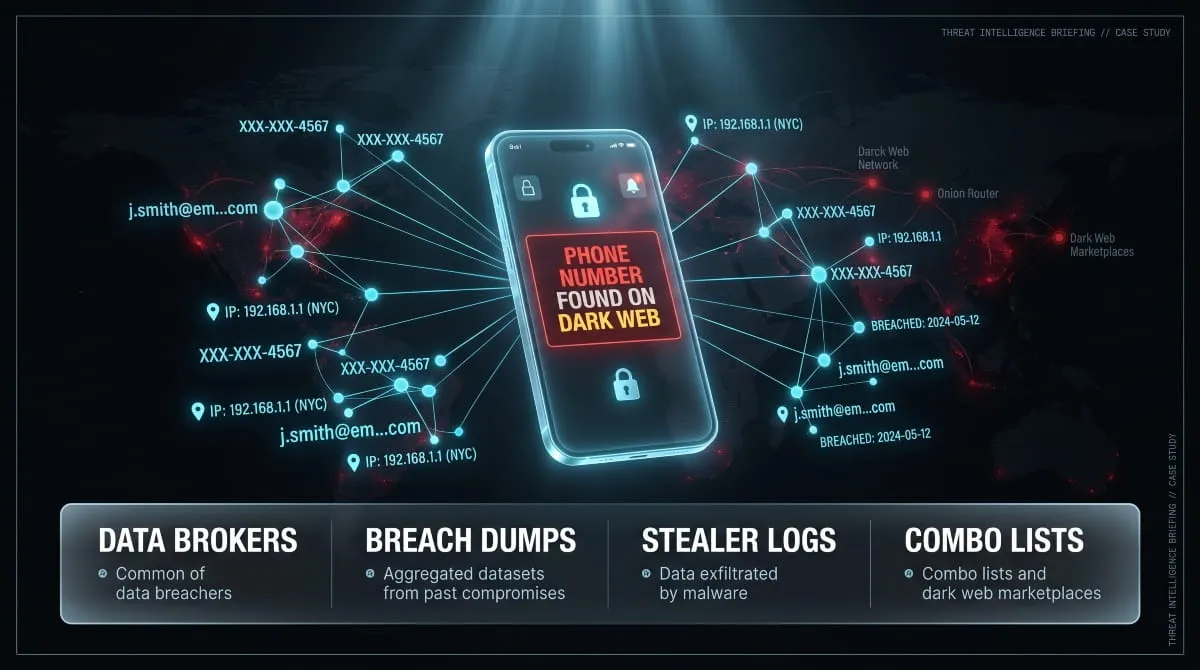
You got an alert. Maybe it was Experian, McAfee, or IDNotify. Maybe you ran a scan out of curiosity, and the result stopped you cold: your phone number was found on the dark web.
Now you’re here, wondering how serious this actually is, and whether you need to panic.
The short answer: don’t panic, but don’t ignore it either.
Having your phone number found on the dark web doesn’t mean someone is actively watching you or that your phone has been hacked. But it does mean your personal information is circulating in places it was never supposed to be, and that a phone number is more dangerous than most people realize.
In this guide, we’ll break down exactly what it means when your phone number appears on the dark web, what real risks come with it, and the specific steps you should take right now to protect yourself. No technical jargon, no unnecessary alarm, just clear answers and a practical path forward.
What Does It Mean When Your Phone Number Is on the Dark Web?
The dark web is a part of the internet that isn’t indexed by search engines and cannot be accessed through a regular browser. It operates in the shadows, and one of its most common uses is the buying and selling of stolen personal data. That includes names, email addresses, passwords, financial details, and yes, phone numbers.
When a service tells you your phone number was found on the dark web, it means your number has appeared in a dataset that’s been leaked, stolen, or scraped. That dataset is now accessible to cybercriminals operating in these underground markets.
It sounds alarming. And while it’s a legitimate concern, it’s also more common than most people expect. Billions of records have been exposed through data breaches over the past decade. Chances are, your phone number didn’t end up there because you did something wrong; it got there because a company you trusted was breached.
How Phone Numbers End Up on the Dark Web
Most people assume their phone number is safe because they’re careful about where they share it. The uncomfortable truth is that it rarely matters.
Dozens of companies collect your number throughout your daily life, including mobile carriers, banks, shopping apps, loyalty programs, healthcare portals, and food delivery services. Any one of those companies can suffer a data breach, and when they do, every customer record in their database becomes potential inventory for dark web marketplaces.
Beyond direct breaches, phone numbers also leak through data brokers, companies that legally collect and resell personal information in bulk. When a data broker gets breached or sells to the wrong buyer, your number can end up in criminal hands without any single dramatic hack ever happening to you personally.
What Kind of Data Gets Exposed Alongside Your Number
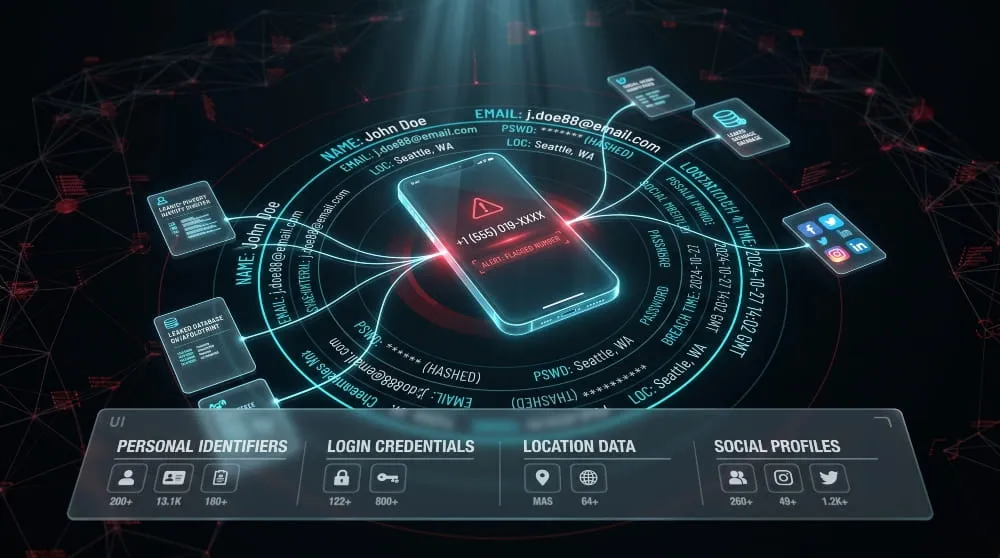
This is where the real concern lies. A phone number on its own has limited value. But phone numbers are rarely exposed in isolation.
In most breach dumps, your phone number appears alongside your full name, email address, home address, date of birth, and sometimes account credentials or partial financial data. This combination makes dark web exposure genuinely risky: it gives bad actors enough information to impersonate you, target you with highly convincing scams, or attempt to take over your accounts.
The more data points exposed alongside your number, the higher your actual risk level. That’s why running a full dark web scan matters more than just knowing your phone number appeared; you need to see the full picture of what’s out there.
The Difference Between Found and Actively Exploited
Getting this distinction right will save you a lot of unnecessary fear.
When a monitoring service says your phone number was found on the dark web, it means your number has been detected in a known breach database or dark web listing. It does not automatically mean someone has already used that information against you.
Think of it like this: your number being found is the dashboard warning light. Active exploitation, a SIM swap attack, a targeted phishing call, and an account takeover are the engines that actually fail. The warning light means you need to act, not that the damage is already done.
Most people who find their phone number on the dark web never experience any direct harm because they take the right steps quickly. The ones who do get hurt are typically the ones who saw the alert and assumed it was a false alarm.
How Serious Is It? Understanding the Real Risks
This is the question everyone actually wants answered. And the honest answer is: it depends on what was exposed alongside your number, and how quickly you respond.
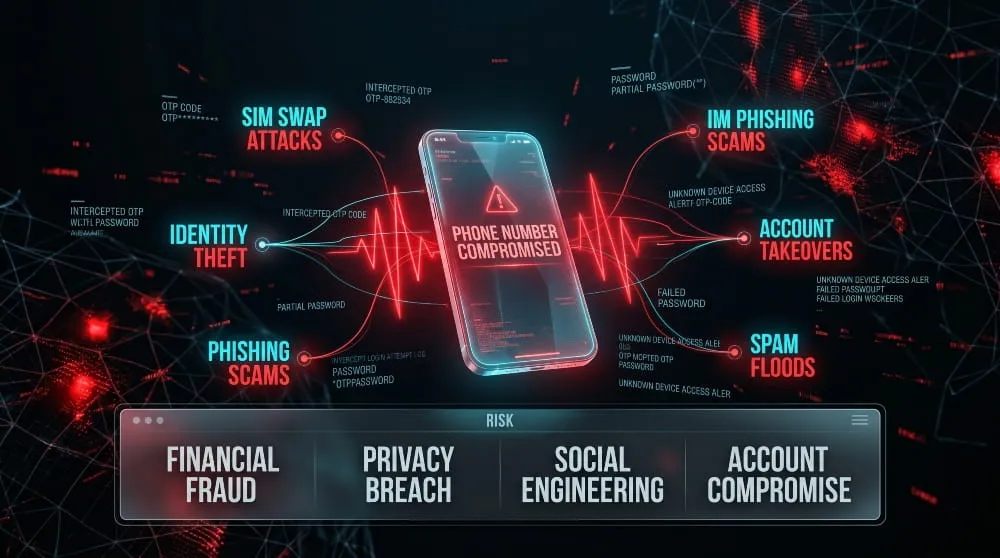
A phone number in the wrong hands isn’t just an inconvenience. Modern digital life is deeply tied to your phone number; it’s your account recovery option, your two-factor authentication channel, and your identity verification method. That’s precisely what makes it valuable to cybercriminals. Here’s what the real threats look like.
SIM Swapping Attacks, The #1 Threat to Your Phone Number
SIM swapping is the most dangerous attack that starts with a phone number, and it’s more straightforward than it sounds.
A criminal who has your phone number, name, and a few additional personal details, the kind that often appear together in dark web breach dumps, can call your mobile carrier and impersonate you. They claim their phone was lost or damaged and request that your number be transferred to a new SIM card they control. If the carrier’s verification process fails, your number is now in their hands.
The moment that happens, every SMS message sent to your number, including two-factor authentication codes for your bank, email, and crypto accounts, goes to the attacker instead of you. Victims of SIM swap attacks have lost access to email and bank accounts, and, in some cases, their life savings, within hours.
It’s not a theoretical risk. High-profile SIM swap cases have resulted in millions of dollars stolen, and carriers have faced lawsuits over inadequate verification processes. If your phone number has been found on the dark web alongside other personal details, SIM swap protection should be your priority.
Phishing Calls, Smishing, and Social Engineering
Once a criminal has your phone number, they don’t need to do anything technically sophisticated to cause damage. Sometimes a convincing phone call is enough.
Vishing, voice phishing, involves calling you while impersonating a bank, government agency, or tech support team. Armed with your name and other data from the same breach, these calls can feel alarmingly legitimate. The caller already knows your name, maybe your address, and possibly the last four digits of your card. That familiarity is engineered to lower your guard.
Smishing follows the same principle through text messages. A message arrives claiming your bank account has been flagged, your package couldn’t be delivered, or your account has been compromised, with a link that harvests your credentials the moment you click.
These attacks have become significantly more targeted since large breach dumps started circulating on the dark web. Criminals no longer spray generic scam messages at random numbers. They use the data they’ve purchased to craft personalized attacks that are much harder to detect.
Account Takeover via SMS-Based 2FA
Most people use their phone number as a backup security layer for Gmail, banking apps, social media, and dozens of other accounts. That setup, known as SMS-based two-factor authentication, was designed to protect you. But it creates a critical vulnerability when your phone number is compromised.
If an attacker can intercept your SMS messages, either through a SIM swap or by exploiting telecom-level weaknesses, they can trigger password resets and capture the one-time codes that are supposed to keep your accounts locked. From there, your email is taken over, and once it’s gone, almost every other account tied to it falls like dominoes.
This is why a phone number on the dark web is never just about the phone number. It’s a potential key to your entire digital identity.
Identity Theft Chains That Start With a Phone Number
The most severe risk isn’t a single attack; it’s a chain reaction.
Fraudsters who acquire your phone number alongside your name, date of birth, and address from a breach dump have enough raw material to begin constructing a false identity in your name. That can mean opening credit accounts, applying for loans, filing fraudulent tax returns, or even impersonating you to employers or government agencies.
These cases can take months or years to unravel fully, and the damage to credit scores and financial standing can be substantial. A phone number is one piece of a larger puzzle, but in the context of everything else that typically leaks with it, it can be the piece that completes the picture for someone with bad intentions.
The severity of your risk scales directly with the amount of additional data exposed alongside your number. That’s why the smartest move after seeing a dark web alert isn’t just to note it, it’s to find out exactly what else is out there with your name on it.
How to Check If Your Phone Number Is Really on the Dark Web
Not every alert is created equal. Some monitoring services are thorough. Others scan a limited slice of publicly known breach data and call it a dark web check. Before you take any action, it’s worth verifying what you’re actually dealing with, where your number appeared, what data surrounds it, and how recent the exposure is.
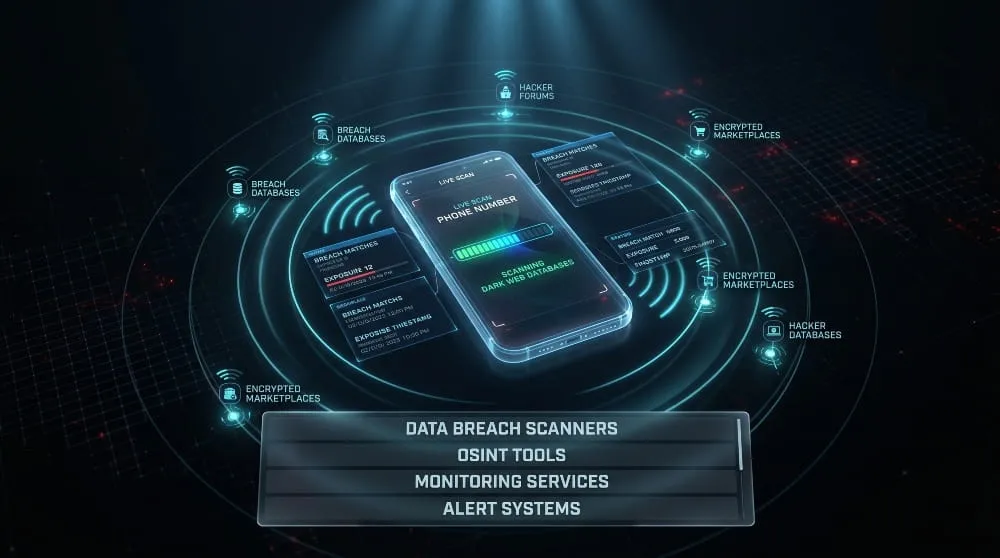
Here’s how to do that properly.
Free Ways to Verify Your Exposure
The most basic starting point is running your email address through a breach lookup tool. Since phone numbers are almost always exposed as part of a broader record, not in isolation, checking your email will often surface the same breach your phone number came from, along with everything else that leaked with it.
What you’re looking for isn’t just confirmation that a breach happened. You want to know the source, which company or platform was breached, and what data fields were included. A breach that exposed only email addresses is very different from one that exposed names, phone numbers, passwords, and home addresses.
If you received an alert from a service like Experian or IDNotify, take it seriously, but don’t stop there. Those services typically monitor a defined set of data sources. They may have caught one exposure, while others remain undetected. Cross-referencing with an independent scan gives you a more complete picture.
What a Real Dark Web Report Looks Like
A genuine dark web report doesn’t just tell you that your information was found. It tells you where it was found, when it was indexed, and what specific data points were included in the exposure.
A quality report will surface results from dark web markets, paste sites, malware stealer logs, and breach databases, not just the well-known public breach lists that free tools typically reference. Stealer logs are among the most underreported sources of phone number exposure. These are data packages harvested by malware from infected devices, and they often contain far more sensitive information than a standard data breach.
The difference between a surface-level alert and a comprehensive dark web report is the difference between knowing a problem exists and actually understanding its scope.
Run a free dark web scan with DeXpose to see exactly where your phone number and personal data have been exposed, including dark web markets, breach databases, and malware logs.
What to Do If Your Phone Number Was Found on the Dark Web
Finding out your phone number is on the dark web is unsettling. But the worst thing you can do right now is either freeze up or start making rushed, unfocused changes. What actually protects you is a clear, ordered response, starting with understanding what you’re dealing with, then systematically closing the doors that matter most.
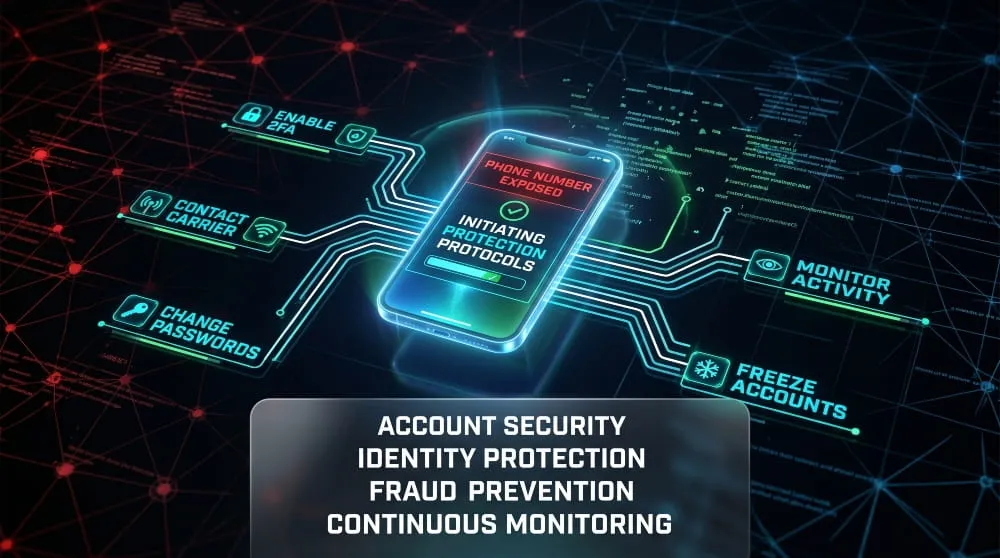
Here’s exactly what to do, in the right order.
Step 1, Don’t Panic: Assess the Scope of the Breach
Before you change every password and call your carrier in a panic, take ten minutes to understand the actual situation. The severity of your risk depends entirely on what was exposed alongside your phone number.
A number exposed in a marketing database breach, where only names and phone numbers were leaked, is a low-to-medium concern. A number exposed in a breach that also included your email address, password, date of birth, and home address is a significantly more serious situation that warrants faster action.
Find out which breach your number came from, when it happened, and what data was included. That context determines everything about how urgently you need to move and which steps matter most for your specific situation.
Step 2: Lock Down Your Accounts That Use SMS 2FA
Your phone number is the recovery key for dozens of accounts you probably haven’t thought about in years. Now is the time to think about them.
Go through your most critical accounts, email, banking, investment platforms, and any app that holds financial or personal data, and upgrade from SMS-based two-factor authentication to an authenticator app like Google Authenticator or Authy. Authenticator apps generate codes directly on your device and can’t be intercepted through a SIM swap, which makes them dramatically more secure than SMS codes.
This single step removes the most dangerous attack vector posed by an exposed phone number. It won’t undo the exposure, but it makes that exposure significantly less useful to anyone who has your number.
Step 3: Enable a SIM Lock or SIM PIN With Your Carrier
Contact your mobile carrier, whether that’s AT&T, Verizon, T-Mobile, or any other provider, and ask them to add a SIM lock or port freeze to your account. Most carriers offer this, and it requires anyone trying to transfer your number to a new SIM to provide an additional PIN or pass additional verification steps.
This is your direct defense against SIM swapping. Without it, a motivated criminal with enough of your personal information can potentially convince a carrier representative to hand over your number in a single phone call. A SIM lock makes that dramatically harder.
While you’re on the call, also ask about adding a verbal password or security phrase to your account, an extra layer that must be provided before any account changes can be made.
Step 4: Watch for Phishing Calls, Texts, and Social Engineering
In the days and weeks following any exposure to the dark web, your guard needs to be higher than usual. Criminals who acquire data from breach dumps often act on it quickly, and a phone number combined with your name creates opportunities for highly targeted social engineering.
Be skeptical of any unexpected call from your bank, a government agency, or a tech company, even if the caller ID looks legitimate. Caller ID can be spoofed. If someone calls claiming there’s a problem with your account, hang up and call the institution back directly using the number on their official website.
The same applies to text messages. Treat any unsolicited SMS containing a link as suspicious by default, regardless of how convincing it looks. Smishing attacks have become increasingly personalized, and an attacker who knows your name, carrier, and other breach data can craft messages that feel genuine.
Step 5: Run a Full Exposure Scan to See What Else Is Out There
Your phone number didn’t appear on the dark web alone. It came from a breached record that likely contained other personal details, and that same breach, or others like it, may have exposed your email address, passwords, or financial information without you knowing.
The only way to understand the full scope of your exposure is to run a comprehensive scan that goes beyond the surface. That means checking not just public breach databases but also dark web markets, stealer logs, and paste sites where stolen data is traded and dumped.
Knowing everything that’s out there puts you in control. It means you’re not reacting to one alert while three other exposures go unaddressed.
Find out exactly what personal data has been exposed, not just your phone number. Run a free email data breach scan with DeXpose and get a complete picture of your dark web footprint in minutes.
Run Your Free Email Data Breach Scan
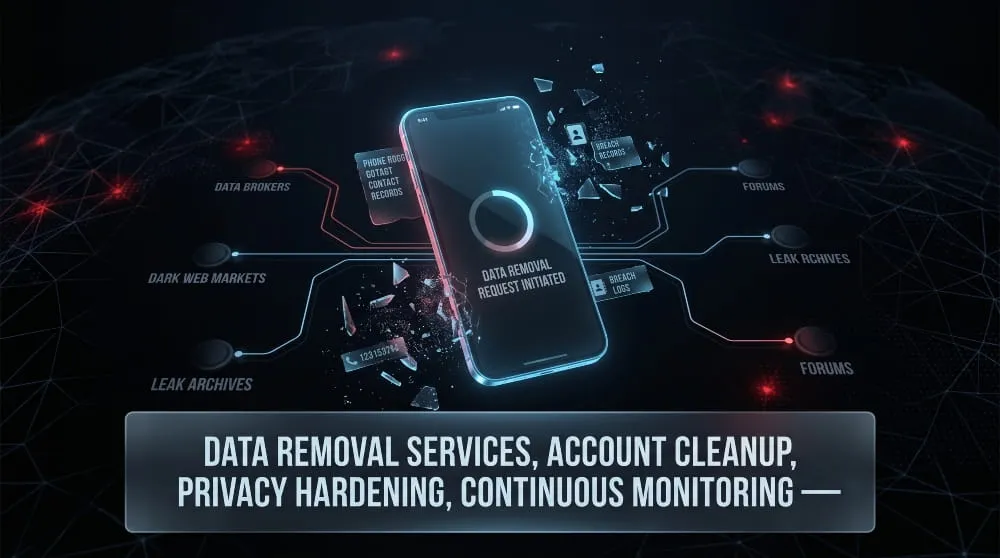
Can You Remove Your Phone Number From the Dark Web?
This is one of the most searched questions after a dark web alert, and unfortunately, it’s also one where most people don’t get a straight answer. Let’s fix that.
The Hard Truth About Dark Web Removal
You cannot remove your phone number from the dark web. No service, tool, or request process can make that happen, and any company claiming otherwise is not being honest with you.
Here’s why. Once data is leaked and circulated on the dark web, it gets copied, repackaged, and redistributed across dozens of marketplaces, forums, and private channels almost immediately. There is no central database to scrub, no takedown request to file, no administrator to contact. The dark web operates outside the reach of conventional legal and technical mechanisms precisely because it was designed to do so.
Even if a specific marketplace where your data appeared were shut down tomorrow, and law enforcement does occasionally take down these platforms, the data itself has almost certainly already been replicated elsewhere. Removal, in any meaningful sense, isn’t possible.
What is possible is making that data useless.
What You CAN Control (Even If You Can’t Delete the Data)
This is the mindset shift that actually protects you. Instead of trying to erase what’s already out there, focus on making the exposed information as worthless as possible to anyone who has it.
If your phone number is on the dark web alongside an old password, changing that password immediately eliminates one attack path. If your number is paired with an email address that still uses SMS-based account recovery, switching to an authenticator app closes the SIM swap window. If your number appears with your date of birth and home address, placing a credit freeze with the major bureaus blocks anyone from opening new accounts in your name using that data.
Every action you take doesn’t erase the exposure; it neutralizes its consequences. That’s a realistic and effective way to think about your response.
Staying informed is equally important. Data from old breaches is constantly recycled and resold. A breach from three years ago can resurface in a fresh dump today and trigger a new wave of targeted attacks. This is why one-time checks aren’t enough. Ongoing monitoring is what keeps you ahead of how your data is being used, not just where it’s been found.
How to Minimize Future Exposure
While you can’t undo what’s already happened, you can make yourself a harder target going forward.
Be deliberate about where you share your phone number. Use a secondary number via services like Google Voice for sign-ups, loyalty programs, and any platform you don’t fully trust. Reserve your primary number for banking, healthcare, and high-trust accounts only. The less your real number circulates across low-security platforms, the smaller your attack surface becomes over time.
Regularly audit which apps and services have your phone number on file. Many people have dozens of dormant accounts on platforms they haven’t used in years, each of which is a potential source of a breach. Deleting unused accounts reduces the number of places your number can leak from.
Finally, treat dark web monitoring as an ongoing practice rather than a one-time reaction. The exposure landscape changes constantly. Knowing when your data appears, and where, gives you the window to respond before the damage is done, rather than after.
How Phone Numbers Get Sold and Traded on the Dark Web
Most people imagine the dark web as a chaotic underground marketplace. In reality, the trade of stolen personal data, including phone numbers, is surprisingly organized. There are established marketplaces, pricing structures, and product categories. Understanding how this ecosystem works helps explain why your data ends up there, how quickly it spreads, and why the risk doesn’t simply disappear over time.
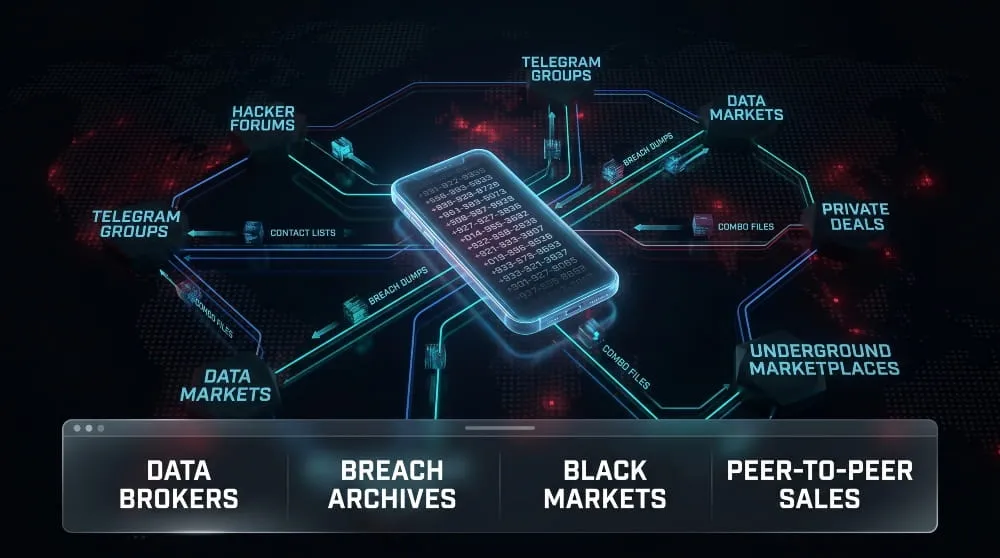
Data Broker Leaks vs. Direct Breach Dumps
Phone numbers reach the dark web through two distinct pipelines that operate very differently.
The first is the direct breach dump, which most people picture when they think of a data breach. A company’s database gets compromised, and the stolen records are extracted and sold. These dumps can contain millions of records at once and typically include structured data: names, email addresses, phone numbers, passwords, and sometimes financial details, all neatly packaged from the breached platform’s own database schema.
The second pipeline is less talked about but equally significant: data broker leaks. Data brokers are companies that legally collect and aggregate personal information from public records, loyalty programs, app permissions, and consumer surveys. They build detailed profiles on hundreds of millions of people and sell access to that data commercially. When a data broker suffers a breach or sells data to a buyer who then misuses it, the result is often a massive exposure of phone numbers paired with rich personal profiles. The irony is that this data was compiled and sold legally before it ever reached criminal hands.
Both pipelines feed the same dark web markets, but broker leaks often produce more complete and damaging records precisely because brokers were designed to aggregate data in the first place.
How Much Is a Phone Number Worth on Dark Web Markets?
A phone number in isolation isn’t worth much, typically less than a dollar in bulk transaction databases. Criminals aren’t paying a premium for a number alone.
The value scales dramatically with context. A phone number bundled with a full name, email address, date of birth, and home address, what’s known in underground markets as a “fullz”, can sell for anywhere between $15 and $40 per record, depending on the target’s country, credit profile, and the freshness of the data, records tied to verified financial accounts command even higher prices.
Phone numbers associated with high-value targets, business executives, crypto holders, or individuals with known financial assets can be sold individually for significantly more, particularly when the buyer intends to use them for a targeted SIM swap attack. In those cases, the number isn’t being bought as part of a bulk data set. It’s being acquired as a specific instrument for a specific attack.
The takeaway is that your phone number’s value on the dark web isn’t fixed. It depends entirely on what’s attached to it.
The Role of Combo Lists and Credential Stuffing
Even after a breach fades from the headlines, the data rarely becomes inactive. It gets folded into what the cybercriminal community calls combo lists, massive compiled files containing millions of email and password combinations, often with phone numbers and other personal details included.
These combo lists are fed into automated credential-stuffing tools that systematically test combinations against hundreds of websites simultaneously. The goal is to find accounts where the same email and password are reused, which, given how common password reuse still is, succeeds at a meaningful rate.
Your phone number plays a supporting role in this process. It helps attackers bypass security questions, trigger SMS verification codes during account takeover attempts, and add legitimacy to fraudulent account recovery requests. In the context of a combo list attack, your number doesn’t need to be the primary target to become part of the problem.
This is also why old breaches remain dangerous long after they’re disclosed. A breach from five years ago that included your phone number and an old password is still being used in credential-stuffing campaigns today. The data doesn’t expire, which is exactly why your exposure needs to be monitored continuously, not just checked once.
How to Protect Your Phone Number in the Future
Reacting to a dark web alert is necessary. But the goal beyond this moment is to make sure you’re never caught off guard again. The good news is that protecting your phone number in the future doesn’t require technical expertise; it requires a few deliberate habits and the right tools in place.
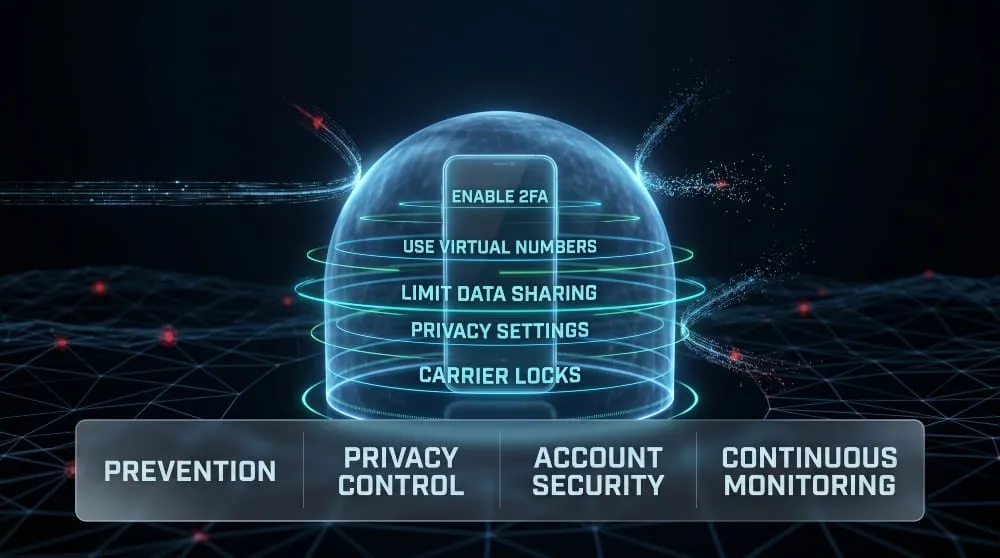
Use a Secondary or Burner Number for Public Sign-Ups
Your primary phone number should be treated like a high-value credential, shared sparingly and only with institutions that genuinely need it.
The reality is that most platforms asking for your phone number don’t need your real one. Food delivery apps, e-commerce sites, loyalty programs, promotional sign-ups, online forums, these are all low-trust environments where your number sits in a database waiting to be breached. And the more places your real number exists, the larger your exposure surface becomes.
The practical solution is a secondary number, a virtual number through a service like Google Voice, Hushed, or MySudo, that you use for everything outside your core trusted accounts. If that number gets compromised, it can be replaced without disrupting your banking, healthcare, or any account that actually matters. Your real number stays clean because it was never in those databases to begin with.
It’s a small habit change that compounds into significantly lower risk over time.
Avoid SMS 2FA for High-Value Accounts Where Possible.
Two-factor authentication via SMS became standard because it was better than nothing. But as SIM swapping and SS7-based interception attacks have become more common, SMS 2FA has become the weakest link in account security for anyone whose phone number is already exposed.
For your most critical accounts, primary email, banking, investment platforms, and password managers, replace SMS verification with an authenticator app. Google Authenticator, Authy, and similar tools generate time-based codes directly on your device. They don’t rely on your phone number at all, so a SIM swap attack can’t intercept them.
For accounts that only offer SMS as a second factor and can’t be changed, enable every additional security layer available, account PINs, security phrases, and login notifications to compensate. The goal is to ensure that your phone number alone is never the single point of failure standing between an attacker and your account.
Monitor Your Exposure Continuously
A one-time dark web scan tells you where things stand today. It tells you nothing about what will be exposed tomorrow or what from an older breach quietly resurfaces in a new dump next month.
This is the fundamental limitation of reactive security. Data breaches happen constantly. Stealer logs get published. Old breach data gets repackaged and recirculated. Your personal information can appear in a new dark web listing years after the original breach, and without active monitoring, you won’t know until the damage is already done.
Continuous dark web monitoring changes that dynamic. Instead of finding out about exposure after an attack has already happened, you get alerted the moment your data appears, giving you the window to act before someone else does. For something as foundational as your phone number, email address, and identity data, that early warning is the difference between prevention and recovery.
Don’t wait for the next alert to find out your data is exposed. DeXpose monitors the dark web around the clock, markets, breach databases, stealer logs, and more, and notifies you the moment your information surfaces.
Start Monitoring Your Dark Web Exposure
Conclusion
Finding your phone number on the dark web is unsettling, but it’s not the end of the story. What matters most is what you do next.
You now understand how your number got there, what risks it creates, and exactly which steps to take to protect yourself. The exposure has already happened. What’s still within your control is whether that exposure ever turns into real harm.
Change the passwords connected to affected accounts. Lock down your SIM. Replace SMS two-factor authentication where it counts most. And stop treating dark web monitoring as a one-time check, because your data doesn’t stop circulating after one scan.
Stay ahead of it. Run a free dark web report with DeXpose today and find out exactly what’s out there with your name on it.
Frequently Asked Questions (FAQ’s)
My phone number was found on the dark web. Is my phone hacked?
Not necessarily. Finding your phone number on the dark web means it was exposed in a data breach, not that your device has been compromised. However, it does put you at risk of targeted attacks such as SIM swapping, so taking immediate protective measures is essential.
Can someone track my location using my phone number from the dark web?
In most cases, no, not directly. However, criminals with your phone number can attempt SS7 network exploits or social-engineer your carrier to gain access to your account, potentially exposing your location data. Enabling a SIM lock with your carrier significantly reduces this risk.
What if my phone number AND email were both found on the dark web?
This is a higher-risk situation that requires faster action. Together, your phone number and email give attackers everything they need to attempt account takeovers, credential stuffing, and targeted phishing, making it critical to change passwords, enable authenticator-based 2FA, and run a full dark web scan immediately.
How long has my phone number been on the dark web?
It depends on when the original breach occurred, which could have been months or even years before you received the alert. Monitoring services often detect data long after it first circulates, which is why continuous monitoring matters more than a single one-time check.
Will changing my phone number help?
It can reduce certain risks, particularly SIM swap exposure, but it isn’t a complete solution. The old number remains in existing breach records, and your new number could be exposed again if the same underlying habits don’t change. Pairing a number change with stronger account security and ongoing monitoring is the more effective approach.
How do I know if my SIM has been swapped?
The most immediate sign is suddenly losing all mobile service, calls, texts, and data stop working on your device without explanation. You may also receive unexpected alerts about account changes or notice that your carrier app shows unusual activity. If you suspect a SIM swap, contact your carrier immediately and check your critical accounts for unauthorized access.
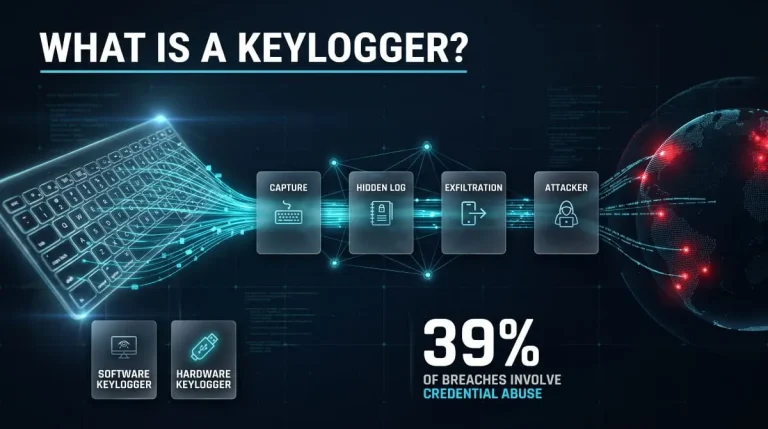
What Is a Keylogger? Definition, Types, Detection and Removal (Complete 2026 Guide)
A keylogger is software or hardware that records every keystroke typed on a device, usually without the user knowing. Attackers use keyloggers to steal passwords, card…
Read more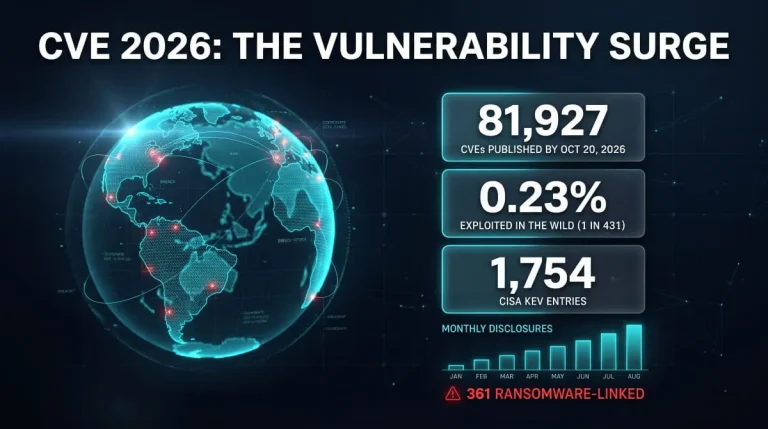
CVE 2026 | The Complete Guide to New, Critical & Actively Exploited Vulnerabilities (Updated Weekly)
CVE 2026 covers every publicly disclosed software flaw assigned a CVE-2026-NNNNN identifier this year, and it is already the largest annual list on record. This guide…
Read more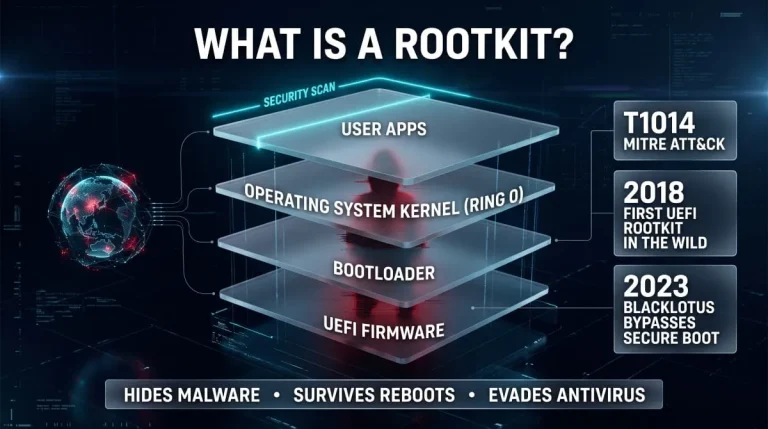
What Is a Rootkit? Definition, Types, Examples, Detection and Removal (Complete Guide)
A rootkit is malicious software that hides itself and the malware it protects by running with the highest privileges and tampering with what the operating system…
Read more